How does a 32 kWh lithium battery power a home?
Understanding the charging cycle
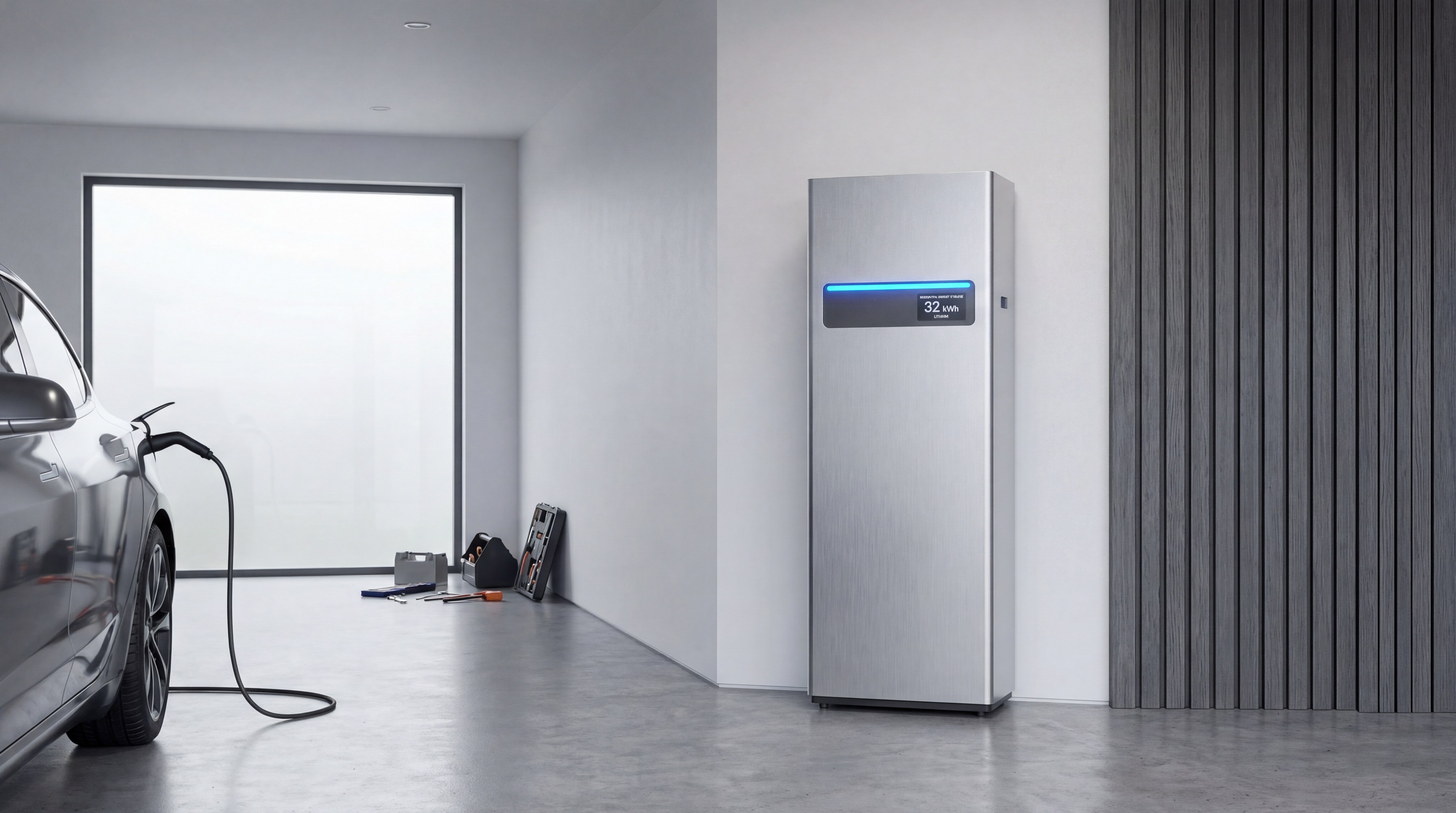
A 32 kwh lithium battery functions as the central reservoir for your property’s energy ecosystem. During daylight hours, your photovoltaic array directs surplus electricity into the cells through a sophisticated charging controller. This process ensures that the chemical energy is stored efficiently without overheating the system.
- Automated charge prioritization
- Real-time voltage monitoring
- Thermal regulation during peak sun
- Overcharge protection protocols
Think about it.
By managing the intake of solar energy, you ensure that the system is fully prepared for the high-demand evening hours. This cycle repeats daily to provide a seamless transition between generation and consumption phases.
Managing energy discharge rates
Your system must handle the sudden surge of power required when multiple appliances activate simultaneously. The discharge rate of a high-capacity system determines how many heavy loads you can run at once without tripping a breaker. A robust management system balances the flow to maintain steady voltage across all circuits.
- Peak shaving capabilities
- Sustained high-current output
- Voltage stabilization for electronics
- Intelligent load shedding options
Here is why.
A well-regulated discharge prevents premature cell wear and protects your sensitive office equipment from fluctuations. It allows you to maintain a standard lifestyle even when the grid is completely disconnected.
The role of the integrated inverter
The integrated inverter serves as the brain of the energy storage unit, converting DC power into usable AC power. It synchronizes with your existing electrical panel to distribute energy where it is needed most. High-quality inverters ensure that the conversion process minimizes energy loss during the transition.
- Pure sine wave output
- Grid-tie and off-grid versatility
- Rapid response to power outages
- Remote firmware update capabilities
But that’s not all.
This component also communicates with your monitoring software to provide detailed insights into your energy usage patterns. It acts as the gateway between your stored energy and your operational needs.
Key Takeaway: A 32 kWh system provides the necessary infrastructure to bridge the gap between solar production and 24/7 power availability.
| Component | Function | |
|---|---|---|
| Battery Cells | Energy Storage | |
| Inverter | Power Conversion | |
| BMS | Safety Management |
What defines the capacity of a 32 kWh lithium battery?
Usable energy vs. total capacity
You must distinguish between the total energy stored and the amount you can actually use without damaging the cells. While the nameplate might state 32 kWh, the depth of discharge settings often limit usable capacity to approximately 90-95%. This buffer is essential for maintaining the chemical integrity of the battery over its lifespan.
- Depth of Discharge (DoD) limits
- Safety margin calculations
- State of Charge (SoC) monitoring
- Rated vs. actual performance metrics
Consider the reality.
Understanding these metrics ensures you do not undersize your system when planning for critical backup durations. It provides a realistic view of how much energy is truly available for your operations.
How is storage depth measured?
Storage depth is typically quantified through the Depth of Discharge (DoD) percentage provided by the manufacturer. For lithium-based systems, this percentage is significantly higher than traditional lead-acid alternatives, allowing for more compact and efficient designs. You can monitor this through your system’s dashboard to ensure optimal usage.
- Percentage of total capacity used
- Cycle count impacts
- Voltage-based capacity tracking
- Amp-hour vs. Kilowatt-hour ratings
Let’s dive in.
By maintaining the storage depth within recommended limits, you maximize the return on your investment. It allows for consistent power delivery across thousands of cycles without significant capacity loss.
Key Takeaway: Capacity management requires a clear understanding of the difference between nominal ratings and the actual usable energy reservoir.
| Metric | Definition | |
|---|---|---|
| Total Capacity | 32 kWh | |
| Usable Energy | ~28.8 – 30.4 kWh | |
| DoD | 90% – 95% |
Is a 32 kWh lithium battery right for your daily load?
Calculating your average consumption
Determining if a 32 kwh lithium battery fits your needs begins with a deep dive into your monthly utility bills. You should look for your average daily kilowatt-hour usage to see how much of a buffer this capacity provides. For many large homes or small businesses, 32 kWh represents approximately 24 to 36 hours of moderate energy use.
- Monthly kWh averages
- Seasonal usage fluctuations
- Daily peak demand peaks
- Baseline “phantom” load analysis
Here is the secret.
Aligning your storage capacity with your actual consumption prevents you from over-investing in unused energy or under-sizing for critical needs. It creates a balanced energy profile for your specific site.
Identifying high-drain appliances
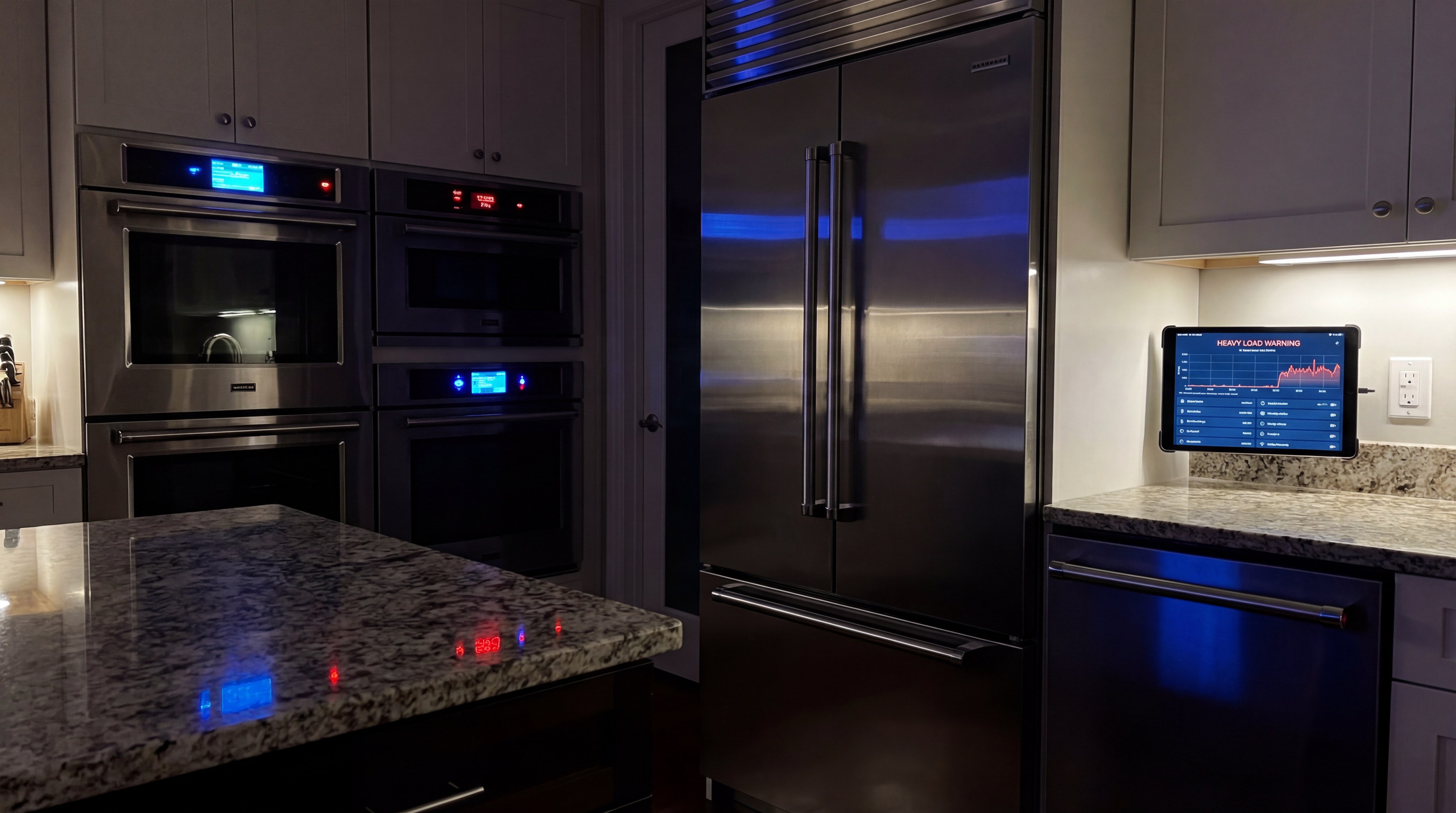
You need to account for appliances that require significant “starting” and “running” watts, such as HVAC units and well pumps. These devices can deplete a smaller battery rapidly, making the 32 kWh threshold a safer bet for comfort. Identifying these loads helps in programming your system to prioritize essential functions during a shortage.
- Central air conditioning systems
- Electric vehicle charging ports
- Large-scale refrigeration units
- Industrial workshop machinery
It gets better.
A 32 kWh system offers the surge capacity needed to start heavy motors without causing a system shutdown. This ensures that your most demanding equipment remains operational regardless of grid status.
Key Takeaway: Matching the system capacity to your high-drain demands is the only way to guarantee a seamless power experience.
| Appliance Type | Typical Impact | |
|---|---|---|
| Standard Lights | Low | |
| Kitchen Appliances | Moderate | |
| HVAC Systems | High |
How long will a 32 kWh lithium battery last in a blackout?
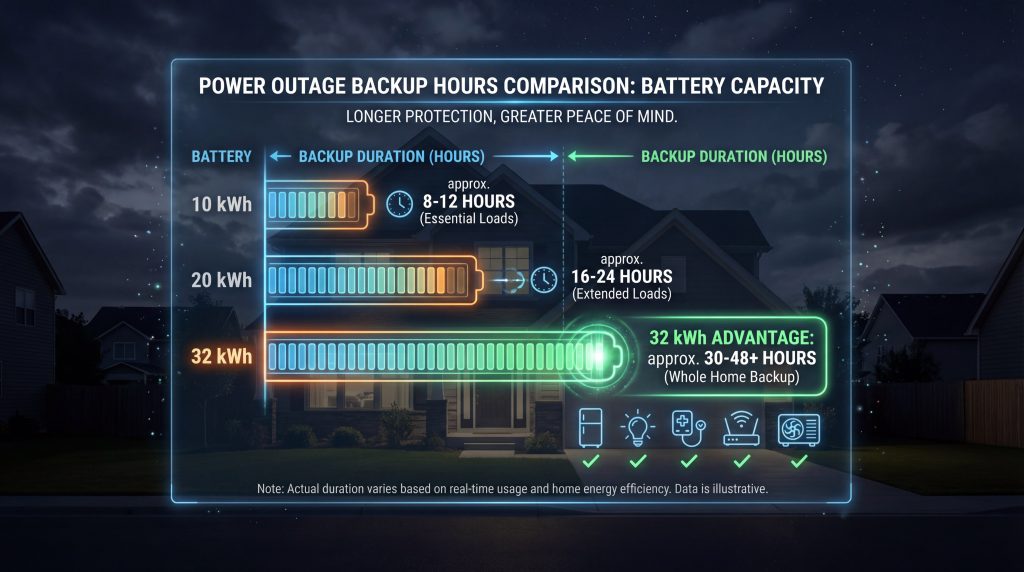
Powering critical loads for 24+ hours
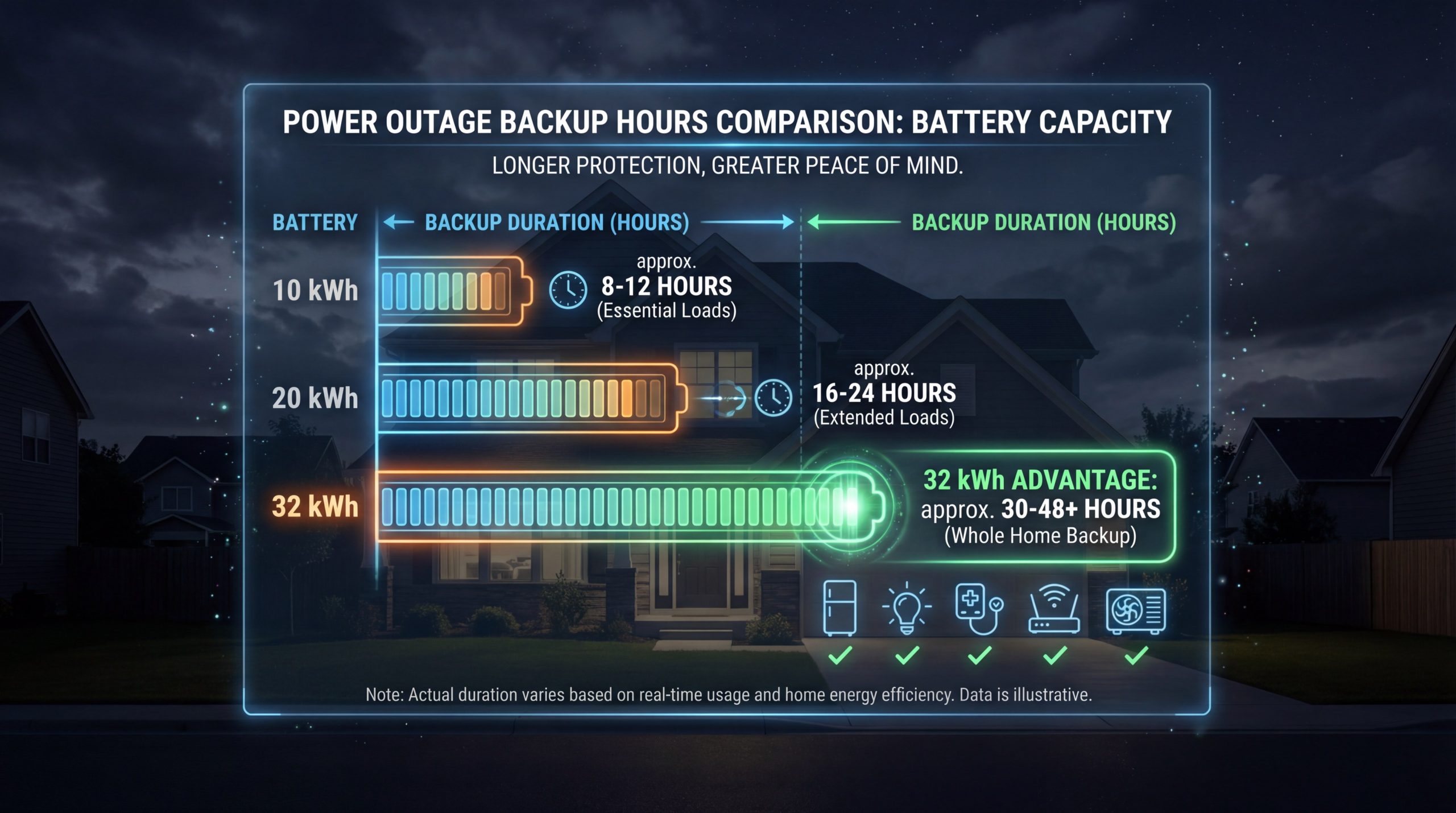
In the event of a total grid failure, your priority shifts to maintaining essential services like lighting, refrigeration, and communication. A 32 kWh reservoir can typically support these basic needs for more than a full day without any solar input. This provides a significant safety net for families or businesses in areas prone to storm-related outages.
- Emergency lighting circuits
- Critical medical equipment
- Networking and security systems
- Essential kitchen appliances
You might wonder.
The duration of your backup depends entirely on how strictly you manage your consumption during the outage. With careful planning, you can extend this window significantly by avoiding non-essential loads.
Can it sustain a whole-home backup?
Providing a whole-home backup means you do not have to pick and choose which circuits remain active. While 32 kWh is robust, running multiple air conditioners and heavy appliances will drain it within several hours. You should consider this capacity as a “high-comfort” backup rather than an “unlimited” power source.
- Panel-wide energy distribution
- Automatic transfer switch integration
- Real-time consumption tracking
- Prioritized circuit management
This is the key.
A whole-home approach requires the user to be mindful of their energy footprint while the grid is down. It offers the luxury of a standard lifestyle, provided you understand the mathematical limits of the stored energy.
Key Takeaway: A 32 kWh system offers substantial autonomy for critical loads but requires management for whole-home sustained use.
| Scenario | Estimated Duration | |
|---|---|---|
| Critical Loads Only | 48+ Hours | |
| Moderate Household Use | 18-24 Hours | |
| Full High-Drain Usage | 6-10 Hours |
Can a 32 kWh lithium battery maximize self-consumption?
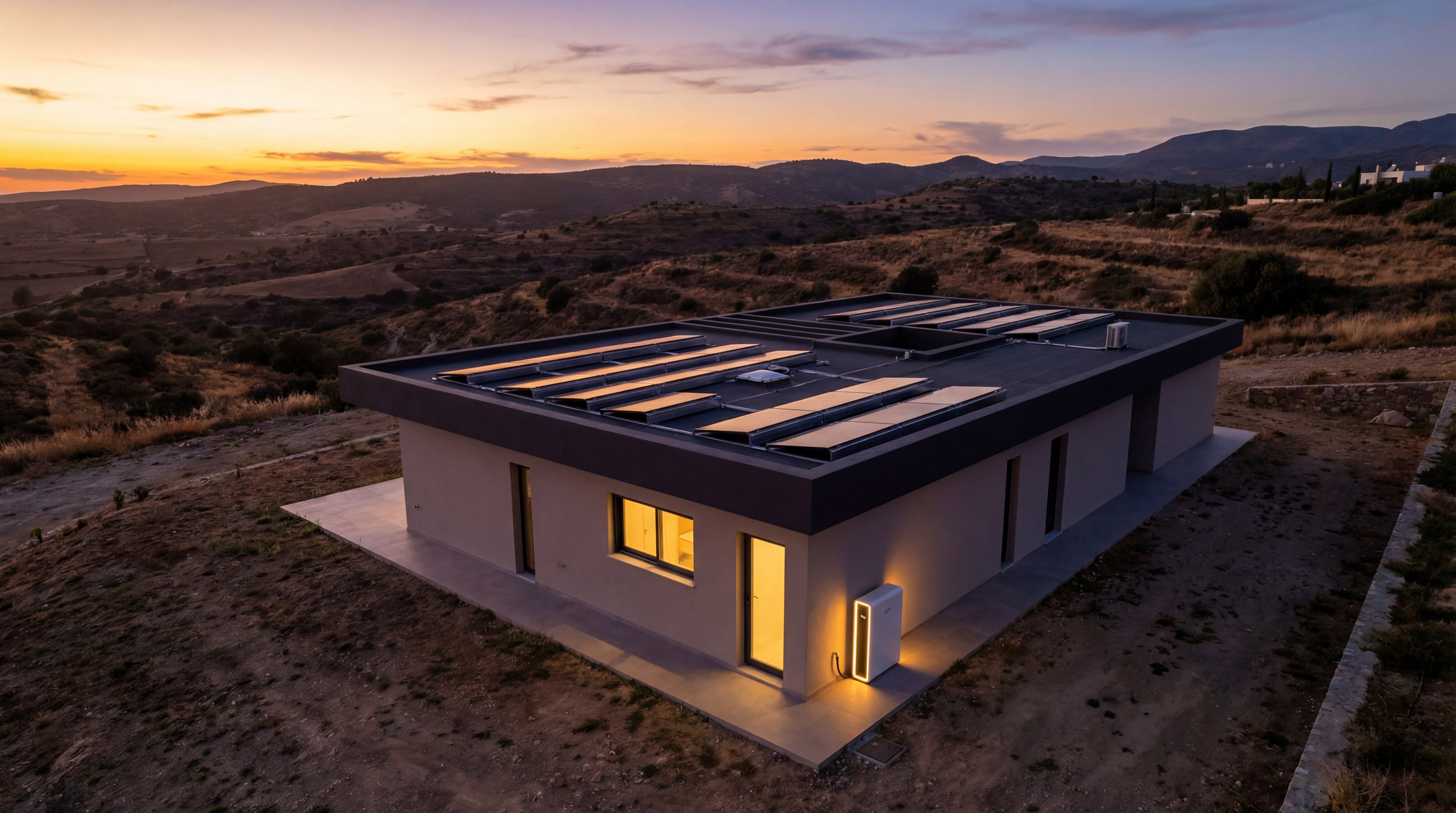
Storing excess solar for night use
Most solar owners produce more energy than they can use during the middle of the day. A 32 kwh lithium battery captures this excess energy instead of sending it back to the grid for minimal credit. This allows you to power your entire facility with 100% clean energy well after the sun has set.
- Reduction in grid dependency
- Solar utilization optimization
- Carbon footprint minimization
- Evening energy independence
Check this out.
By shifting your solar consumption to the evening, you significantly reduce your monthly utility expenses. It turns your property into a self-sustaining microgrid that operates on its own schedule.
Avoiding peak utility time-of-use rates
Utilities often charge significantly higher rates during the late afternoon and early evening when demand is highest. You can program your battery to discharge during these “peak” windows, effectively bypassing the most expensive hours of the day. This “peak shaving” strategy is one of the fastest ways to improve the ROI of your investment.
- Programmed discharge schedules
- Automated rate-switching logic
- Significant cost savings
- Strategic grid interaction
The results speak for themselves.
Using your stored 32 kWh during peak hours ensures that you never pay premium prices for electricity again. It provides a financial shield against the fluctuating pricing structures of modern utility companies.
Key Takeaway: Maxmizing self-consumption through a large battery is the most effective way to eliminate high utility bills.
| Strategy | Financial Impact | |
|---|---|---|
| Solar Storage | High Savings | |
| Peak Shaving | Maximum ROI | |
| Grid Export | Low Return |
What is the science inside a 32 kWh lithium battery?
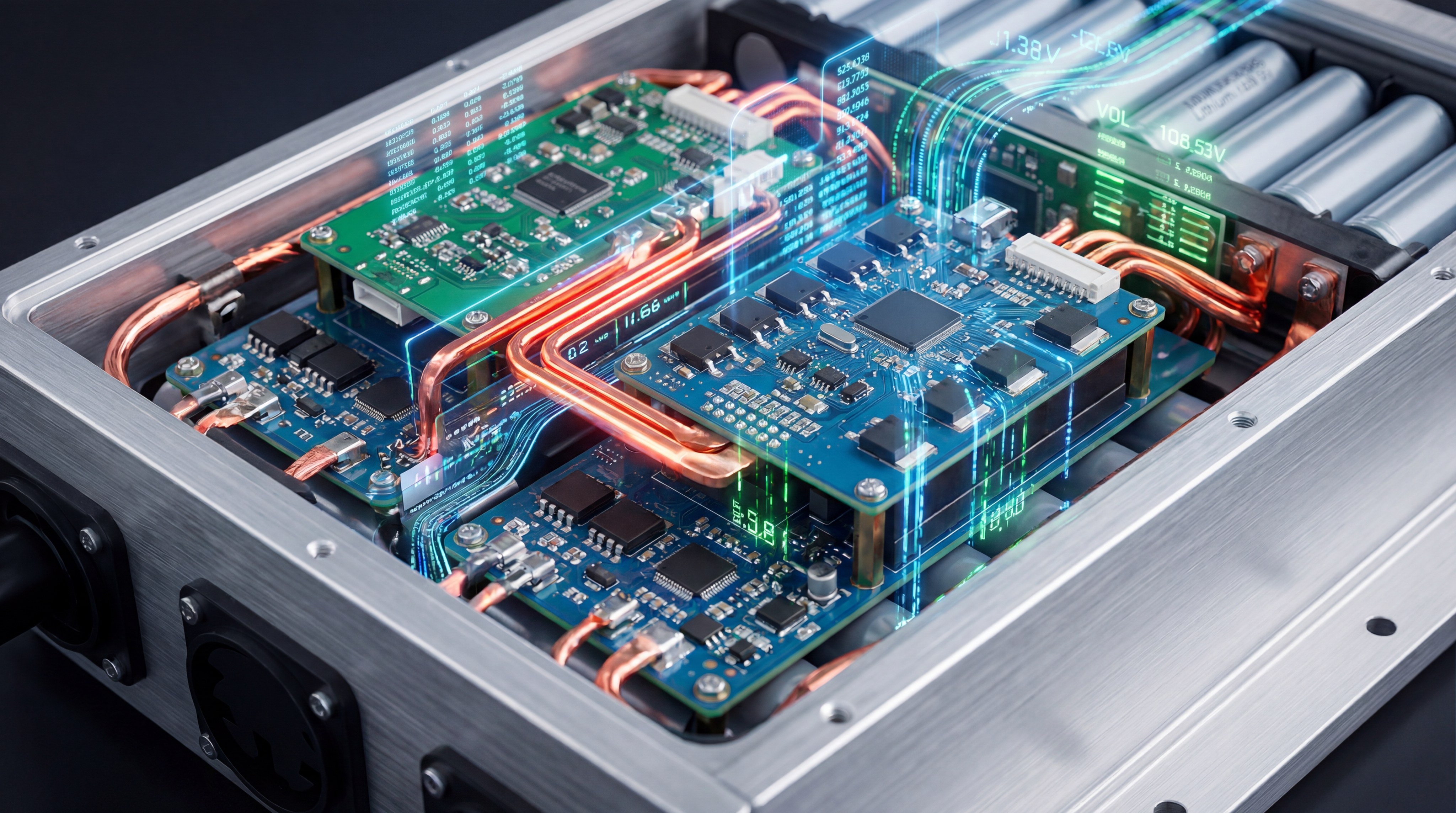
Advantages of lithium iron phosphate
Modern high-capacity systems primarily utilize Lithium Iron Phosphate (LiFePO4) chemistry due to its superior safety profile and longevity. Unlike older lithium chemistries, LiFePO4 is thermally stable and significantly less prone to overheating or combustion. This makes it the ideal choice for indoor installations where safety is the primary concern.
- High thermal stability
- Longer cycle life (6,000+)
- Non-toxic material composition
- Consistent voltage delivery
Here is the truth.
The chemistry allows for deep discharging without the rapid degradation seen in other battery types. You are investing in a technology that is designed to remain stable over decades of daily use.
How smart battery management works
Every 32 kWh system is governed by a Battery Management System (BMS) that monitors the health of every individual cell. The BMS ensures that the cells are balanced, preventing any single cell from becoming over-stressed during the charging or discharging process. It also provides the data interface for your remote monitoring applications.
- Individual cell balancing
- Over-current protection
- Low-temperature cut-offs
- Internal diagnostic reporting
Don’t miss this.
The BMS acts as the guardian of your investment, automatically shutting down the system if it detects any internal irregularities. This level of automation ensures that the battery remains efficient without requiring your constant intervention.
Key Takeaway: The combination of LiFePO4 chemistry and smart BMS technology ensures a safe, long-lasting energy storage solution.
| Feature | Benefit | |
|---|---|---|
| LiFePO4 | Enhanced Safety | |
| Smart BMS | Longevity | |
| Thermal Management | Reliability |
How do you install a 32 kWh lithium battery system?
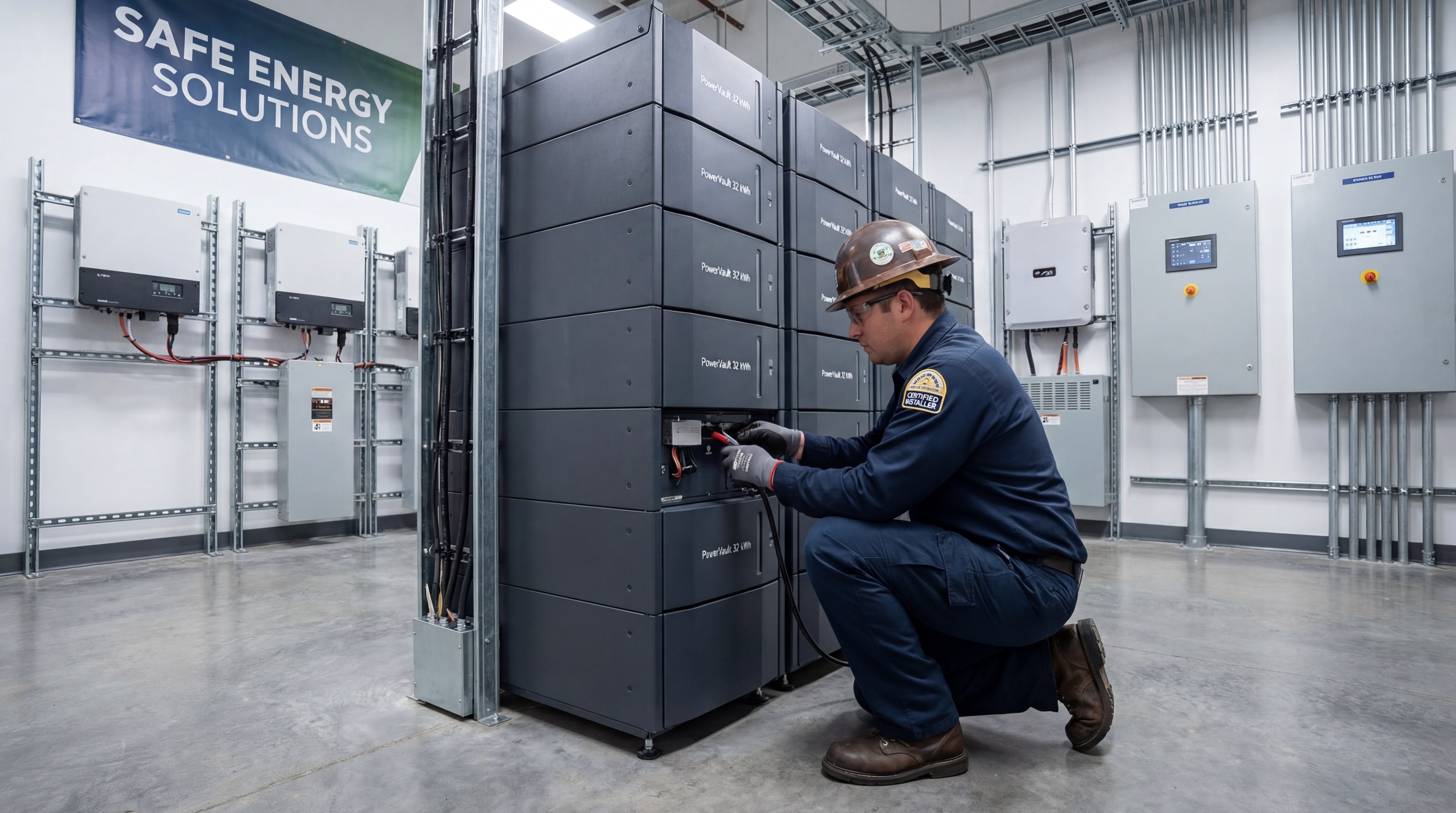
Comparing stackable vs. cabinet units
When installing a 32 kwh lithium battery , you usually choose between modular stackable units or a centralized cabinet. Stackable systems offer the flexibility to expand your capacity later, while cabinet units provide a sleek, all-in-one aesthetic for permanent installations. Both options require a dedicated space with proper ventilation and structural support.
- Modular scalability options
- Floor-standing vs. wall-mounted
- Ease of installation and wiring
- Space-saving vertical designs
Think about this.
Your choice should depend on the available footprint in your utility room or garage. A cabinet-style system often simplifies the installation process by housing the inverter and batteries in a single enclosure.
Should you choose AC or DC coupling?
The choice between AC and DC coupling determines how your battery interacts with your solar panels. DC coupling is generally more efficient for new solar installations, while AC coupling is easier to retrofit into existing solar setups. You should consult with an engineer to determine which architecture minimizes energy conversion losses for your specific layout.
- System efficiency ratings
- Retrofit vs. new install
- Inverter compatibility checks
- Complexity of the wiring
Look at it this way.
The right coupling method ensures that your energy flows smoothly from the panels to the battery and then to your appliances. It is a technical decision that has a long-term impact on your system’s overall performance.
Key Takeaway: Proper installation and architecture selection are critical for the long-term efficiency and safety of your system.
| Installation Type | Best Use Case | |
|---|---|---|
| Stackable | Expandable Systems | |
| Cabinet | Integrated Solutions | |
| DC Coupled | New Solar Arrays |
How long does a 32 kWh lithium battery stay efficient?
Estimating total cycle life expectancy
The lifespan of a high-quality lithium battery is measured in “cycles,” with one cycle representing a full charge and discharge. Most 32 kWh units are rated for 6,000 to 8,000 cycles before their capacity drops to 80% of its original state. For a typical user, this translates to roughly 15 to 20 years of reliable daily service.
- Daily cycle frequency
- End-of-life capacity ratings
- Warranty terms and conditions
- Long-term performance data
Believe it or not.
Even after reaching the end of its rated cycle life, the battery does not stop working; it simply holds slightly less energy. This long-term reliability makes lithium a much more cost-effective solution than traditional battery types over the life of the system.
Degradation and temperature impacts
Temperature plays a massive role in how quickly your battery degrades over time. Storing your battery in a climate-controlled environment prevents the internal chemistry from being stressed by extreme heat or freezing cold. If the battery is kept at optimal temperatures, you can expect it to reach the upper end of its projected lifespan.
- Ideal operating temperatures
- Capacity loss in cold weather
- Heat-related cell stress
- Enclosure ventilation needs
Keep this in mind.
A 32 kWh system is a major asset, and protecting it from environmental extremes is the best way to preserve its value. Simple measures like proper placement can add years to the functional life of the cells.
Key Takeaway: With proper care and environmental management, a 32 kWh battery will provide two decades of service.
| Factor | Impact on Life | |
|---|---|---|
| Temperature | High | |
| Discharge Depth | Moderate | |
| Charging Speed | Low |
Who benefits most from a 32 kWh lithium battery?

Large estates with high energy needs
Properties with significant square footage often have energy demands that easily overwhelm smaller storage systems. A 32 kwh lithium battery provides the headroom necessary to maintain comfort in a large home without constant grid reliance. It is the ideal size for estates with multiple HVAC zones, pools, and guest houses.
- Multi-zone climate control
- Pool pump and heater loads
- Guest house power supply
- Security and automation suites
Wait, there’s more.
For these users, the battery acts as a bridge to true luxury off-grid living. It allows for a high-consumption lifestyle that remains sustainable and environmentally conscious.
Small commercial and industrial sites
Small businesses can use 32 kWh systems to protect against downtime and reduce high commercial demand charges. This capacity is perfect for server rooms, retail spaces, or small manufacturing workshops that cannot afford a power interruption. It provides enough backup to safely shut down equipment or maintain operations during short-term grid failures.
- Business continuity planning
- Equipment protection from surges
- Demand charge reduction
- Sustainable brand positioning
It’s a game changer.
By stabilizing energy costs, businesses can better predict their monthly overhead and avoid the financial spikes associated with peak utility pricing. It is a strategic investment in operational resilience and fiscal responsibility.
Key Takeaway: High-demand residential users and small commercial entities find the 32 kWh capacity to be the “sweet spot” for reliability.
| User Type | Primary Benefit | |
|---|---|---|
| Large Estates | Energy Autonomy | |
| Small Business | Cost Stabilization | |
| Server Rooms | Critical Protection |
Is a 32 kWh lithium battery a worthy investment in 2026?
Analyzing the long-term ROI
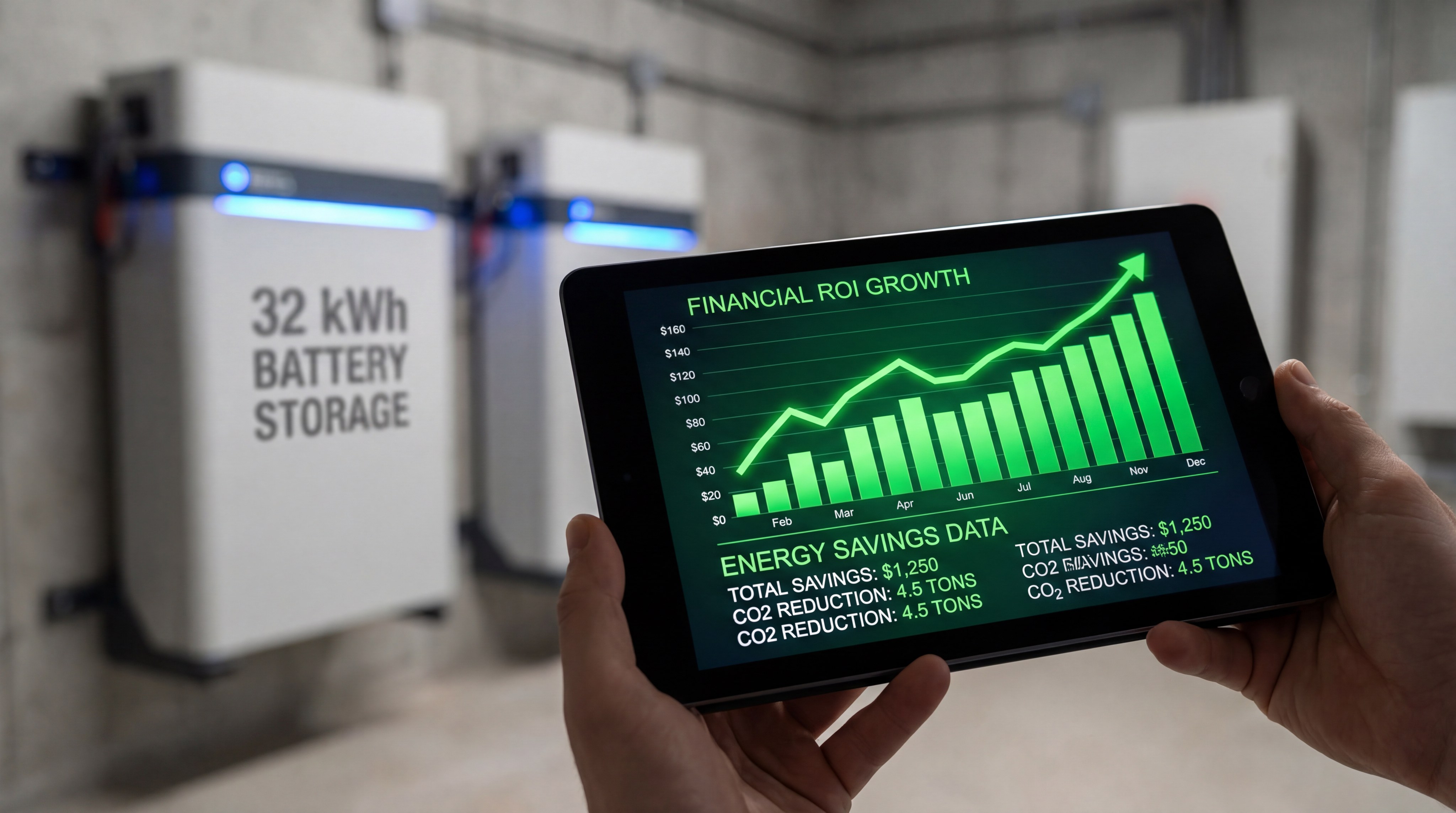
The return on investment for a 32 kWh system is calculated by totaling your annual energy savings and comparing them to the upfront cost. As electricity rates continue to climb in 2026, the time required to “break even” on a high-capacity system has shortened significantly. You should view this purchase as prepaying for 20 years of electricity at a fixed, lower rate.
- Cumulative utility savings
- Avoided outage costs
- Property value increases
- Payback period estimates
Now, consider this.
The peace of mind provided by a 32 kWh system during an emergency is an intangible benefit that often outweighs the pure financial calculations. It provides a level of security that few other home or business improvements can match.
Federal and local storage incentives
In 2026, many regions continue to offer tax credits and rebates for large-scale energy storage installations. These incentives can often cover a significant portion of the hardware and installation costs, making the 32 kWh tier more accessible than ever. You should research local utility programs that pay you to discharge your battery during grid emergencies.
- Federal tax credit availability
- Local utility rebate programs
- Virtual Power Plant (VPP) participation
- Property tax exemptions
The bottom line is this.
Leveraging these financial programs can reduce your net investment by thousands of dollars. It makes the transition to high-capacity lithium storage a financially savvy move for the forward-thinking property owner.
Key Takeaway: Rising energy costs and available incentives make the 32 kWh battery a highly attractive investment for 2026.
| Investment Factor | 2026 Status | |
|---|---|---|
| Electricity Rates | Increasing | |
| Battery Costs | Stabilizing | |
| Incentives | Available |
Frequently Asked Questions (FAQ)
Can I expand my 32 kWh lithium battery system later?Yes, if you choose a modular or stackable design, you can typically add more battery modules to increase your capacity. However, you must ensure your inverter and existing wiring are rated to handle the increased load and storage volume.
What’s the best environment for a 32 kWh battery installation?The best environment is a clean, dry, and climate-controlled indoor space such as a garage or utility room. Maintaining a temperature between 15°C and 25°C (59°F to 77°F) will maximize the efficiency and lifespan of the lithium cells.
How much solar power is needed to charge a 32 kWh battery?You generally need a solar array between 10 kW and 12 kW to fully recharge a 32 kWh battery within one sunny day. This ensures you have enough production to both power your daily loads and replenish the battery for night use.
Is it safe to install a 32 kWh lithium battery indoors?Yes, most 32 kWh systems use Lithium Iron Phosphate (LiFePO4) chemistry, which is specifically designed for high thermal stability and safety. These units are rated for indoor use and include multiple layers of protection through a Battery Management System.
Why does a 32 kWh lithium battery cost more than lead-acid?The higher cost reflects the superior energy density, longer lifespan (up to 10 times longer), and higher depth of discharge. Over the life of the system, the cost per cycle is actually much lower for lithium than it is for traditional lead-acid batteries.