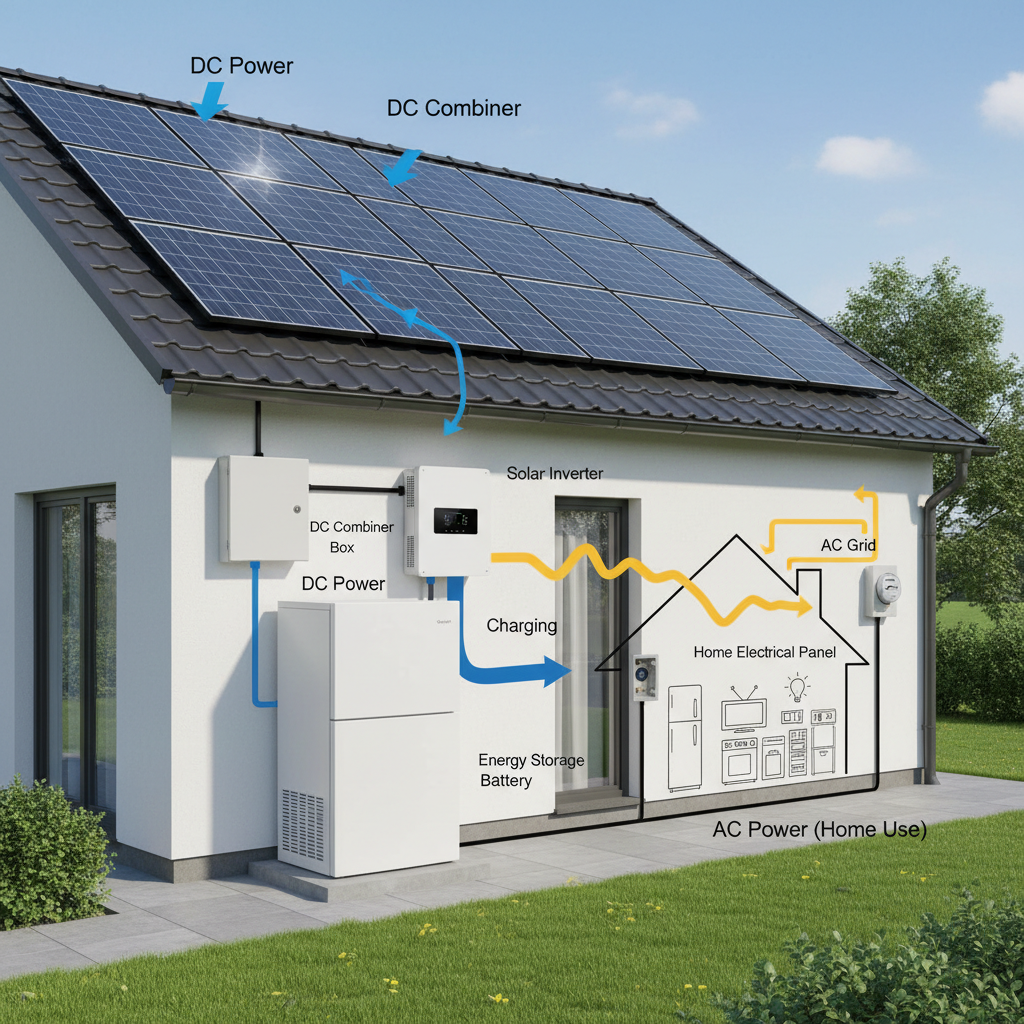
Introduction
Solar panels generate abundant power when the sun shines, but this energy production stops completely once the sun goes down. This leaves homes and businesses vulnerable to expensive evening rate hikes and potential grid instability right when electricity is needed most.
You might be wondering, why generate cheap, clean energy all day only to sell it back for pennies or lose it entirely? A robust solar battery system bridges this gap by storing surplus energy for on-demand use, ensuring you maximize the value of your residential energy storage solutions . Here is the deal: this guide explains the technical mechanics of storage systems and how they secure energy autonomy.
1. What Is the Fundamental Process Behind Solar Energy Storage?
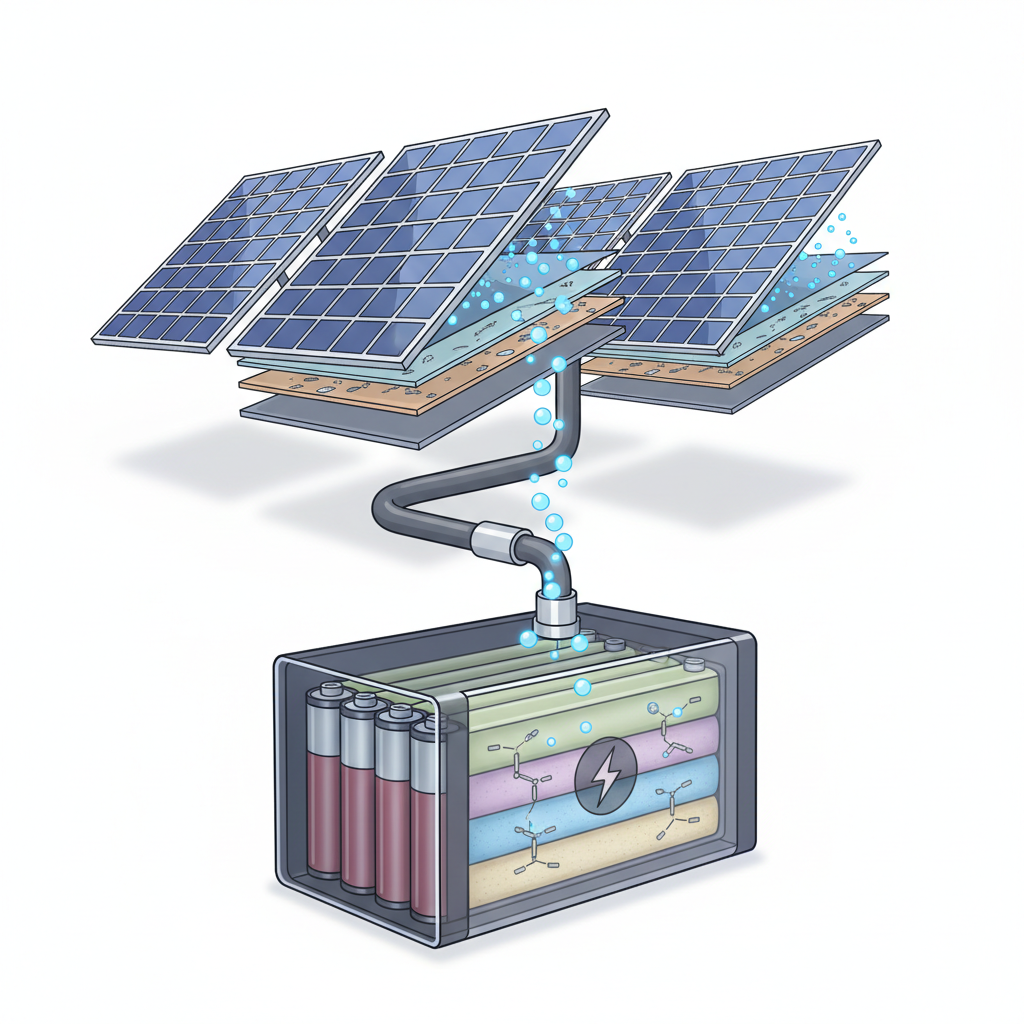
The fundamental process of solar storage involves converting the electrical energy generated by photovoltaic (PV) panels into chemical energy. This energy is held within the battery cells, ready to be converted back into electricity when your home or business demands it.
The Basic Mechanics of Storage
Inside a battery cell, lithium ions move between a cathode and an anode through an electrolyte solution during the charge and discharge cycles. This movement creates the potential energy difference required to store power efficiently for later use. But there is a catch. Energy cannot be stored as the Alternating Current (AC) used by your appliances; it must remain as Direct Current (DC) within the battery chemistry until it is needed.
- Cathode: The positive electrode that releases lithium ions during charging.
- Anode: The negative electrode that stores the ions.
- Electrolyte: The medium that allows ion movement between electrodes.
- Separator: Prevents short circuits between the anode and cathode.
The Role of the Inverter
Because solar panels and batteries operate on DC while your home runs on AC, an inverter is the critical gateway in this system. It acts as a translator, converting the stored DC energy into the usable AC electricity that powers lights, refrigerators, and computers. Without our advanced energy storage expertise , this conversion would be inefficient, leading to significant power losses.
Key Takeaway: The entire process relies on the seamless chemical exchange of ions and the efficient inversion of current to make stored solar power usable.
| Component | Primary Function | State of Energy | |
|---|---|---|---|
| PV Panels | Generate Electricity | Direct Current (DC) | |
| Battery Cell | Store Chemical Energy | Chemical Potential | |
| Inverter | Convert Current | DC to AC / AC to DC | |
| Breaker Panel | Distribute Power | Alternating Current (AC) |
The efficiency of this fundamental process dictates how much usable energy you actually get from your solar array.
2. How Does the Charge and Discharge Cycle Function?
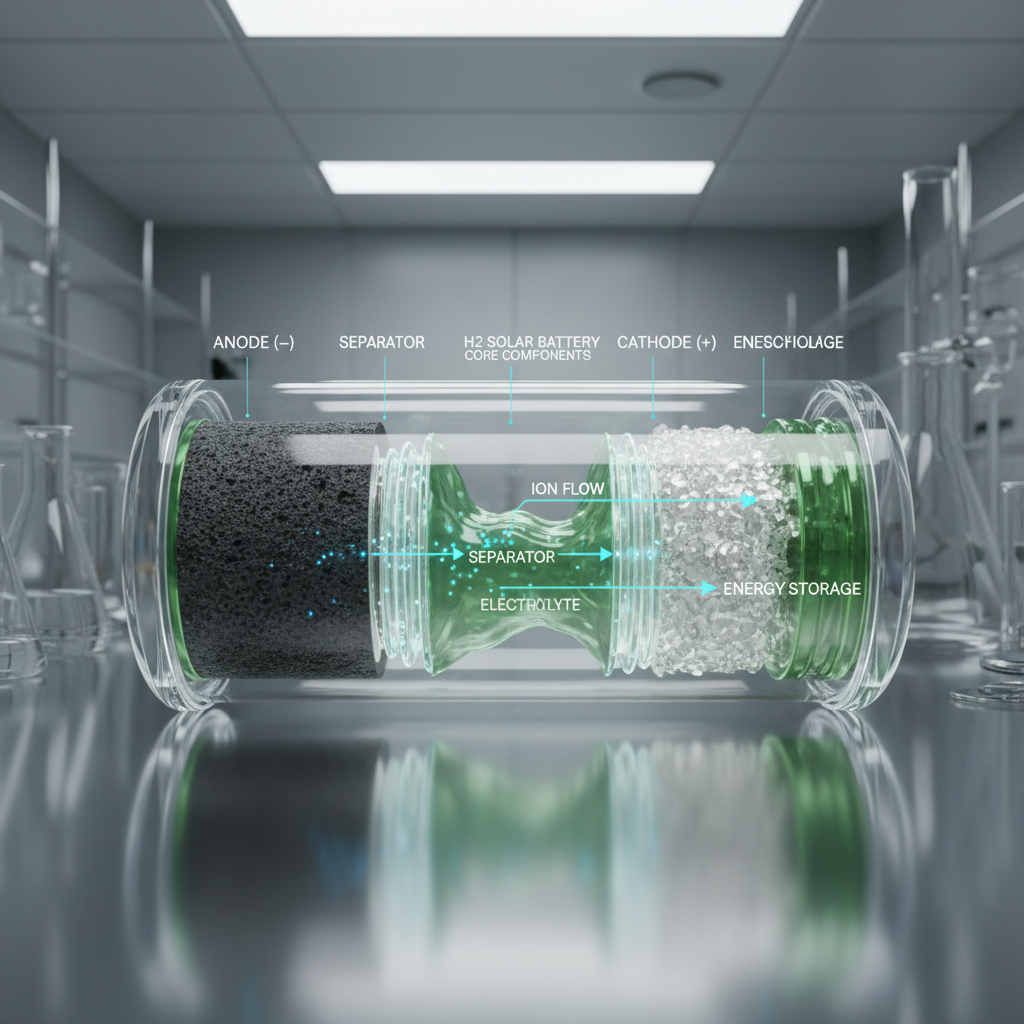
The heartbeat of any battery system is its charge and discharge cycle, which is dictated by the flow of electrons relative to your solar production and household consumption. Understanding this cycle helps you optimize your system’s longevity and daily performance.
The Charging Phase
When your solar panels produce more energy than your home consumes, the excess voltage pushes lithium ions from the cathode to the anode. This state creates a reservoir of potential energy, raising the battery’s State of Charge (SOC) towards 100%. Picture this: it is exactly like filling a large water tank at the top of a hill; the higher you fill it, the more potential energy you have stored for later.
The Discharging Phase
As soon as solar production drops or demand spikes, the chemical process reverses, and ions flow back to the cathode. This release of stored chemical energy generates a flow of electrons to your electrical panel, keeping your lights on without drawing from the grid. This continuous ebb and flow constitutes one “cycle,” and the management of these cycles is crucial for battery health.
- Charging: Solar output > Home load (Energy stored).
- Discharging: Solar output < Home load (Energy released).
- Idle: Battery full or empty with no load change.
- Maintenance: Trickle charging to maintain cell health.
Key Takeaway: The cycle life of a battery depends heavily on how these charge and discharge phases are managed, particularly regulating temperature and depth.
| Component | Function During Charge | Function During Discharge | |
|---|---|---|---|
| Anode | Accepts Lithium Ions | Releases Lithium Ions | |
| Cathode | Releases Lithium Ions | Accepts Lithium Ions | |
| Electrolyte | Facilitates Ion Movement | Facilitates Ion Movement | |
| External Circuit | Incoming Electron Flow | Outgoing Electron Flow |
Proper management of the charge cycle ensures you have power through the night while preserving the battery’s chemical integrity.
3. What Is the Difference Between AC and DC Coupled Systems?
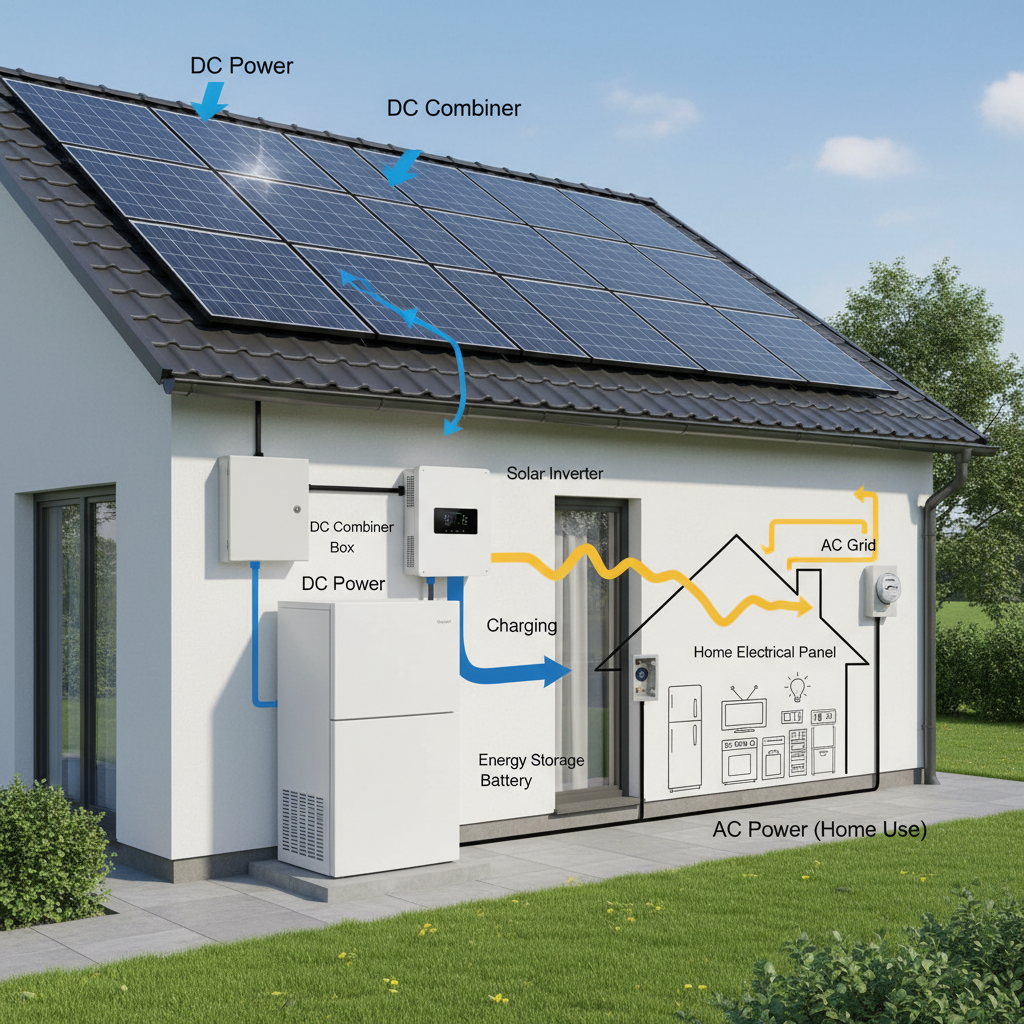
Selecting between AC-coupled and DC-coupled architectures determines how your battery integrates with your solar panels and the grid. Each setup has distinct advantages depending on whether you are installing a new system or retrofitting an existing one.
DC-Coupled Systems
In a DC-coupled system, the DC energy from the solar panels flows directly into the battery without being converted to AC first. This direct path minimizes energy loss, making it highly efficient for new installations where the solar and battery components are installed together. Ready for the best part? Because there is one less conversion step, you capture more of the energy your panels generate, maximizing your overall system yield.
AC-Coupled Systems
AC-coupled systems involve converting DC solar power to AC, then back to DC to charge the battery, and finally back to AC for use. While this sounds complex, it is the standard for retrofitting because it allows you to add storage to an existing solar array without rewiring the original hybrid inverter technology .
- DC-Coupled: Higher efficiency, ideal for new installs.
- AC-Coupled: Easier installation, ideal for retrofits.
- Inverter Count: DC systems use one hybrid inverter; AC systems often use two.
- Grid Charging: AC coupling makes charging from the grid simpler.
Key Takeaway: DC coupling offers superior efficiency for new systems, while AC coupling provides flexibility for upgrading existing solar homes.
| Feature | DC-Coupled System | AC-Coupled System | |
|---|---|---|---|
| Efficiency | High (Single Conversion) | Moderate (Multiple Conversions) | |
| Installation | Best for New Systems | Best for Retrofits | |
| Complexity | Simplified Cabling | Modular Flexibility | |
| Cost | Often Lower (Hardware) | Variable (Labor) |
Choosing the right coupling method can impact your system’s round-trip efficiency by as much as 3-5%.
4. Why Is Lithium-Iron Phosphate Chemistry Superior?
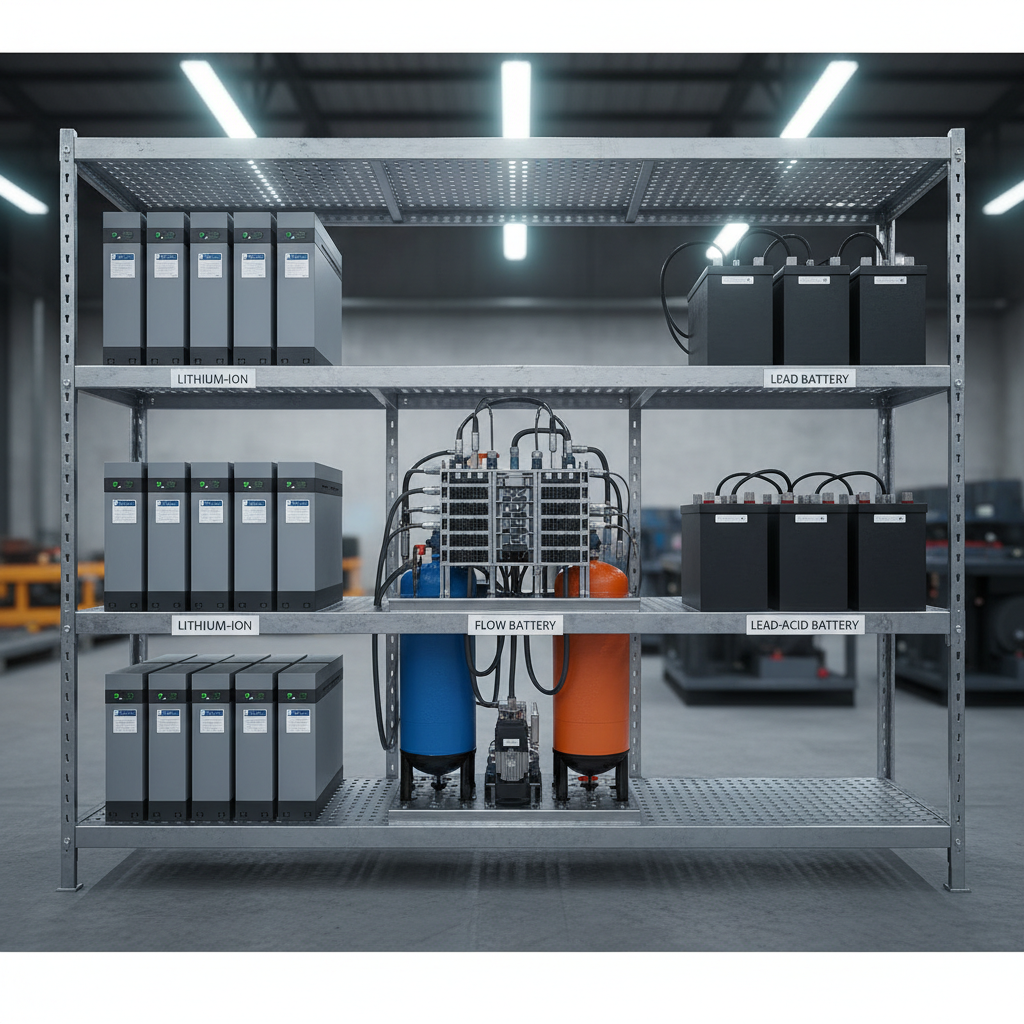
The chemistry inside your battery cells dictates safety, lifespan, and performance, making Lithium-Iron Phosphate (LiFePO4 or LFP) the leading choice for modern stationary storage. Unlike older technologies, LFP offers a robust profile perfectly partial to residential and commercial needs.
Safety and Stability
Older lithium chemistries like Nickel Manganese Cobalt (NMC) are prone to thermal runaway if damaged or overheated, posing a fire risk. LFP chemistry effectively eliminates this danger due to its extremely stable molecular structure, which does not release oxygen even at high temperatures. Here is why it matters: you can install these systems in your home or business with peace of mind, knowing the risk of fire is virtually non-existent.
Longevity and Cycle Life
LFP batteries typically deliver between 3,000 and 6,000 charge cycles before hitting 80% capacity, far outlasting traditional lead-acid or NMC alternatives. This extended lifespan means your battery investment continues to pay dividends for over a decade without needing replacement.
- Thermal Stability: Does not catch fire easily.
- Cycle Life: 2x to 3x longer than NMC.
- Toxicity: Cobalt-free and environmentally friendlier.
- Durability: Handles deep discharges better.
Key Takeaway: LFP chemistry provides the safest and most durable energy storage solution, offering the best long-term return on investment.
| Feature | Lithium-Iron Phosphate (LFP) | Nickel Manganese Cobalt (NMC) | Lead-Acid | |
|---|---|---|---|---|
| Thermal Safety | High | Moderate | Low | |
| Cycle Life | 3000-6000+ | 1000-2000 | 500-1000 | |
| Depth of Discharge | 90-100% | 80-90% | 50% | |
| Cost | Moderate | High | Low |
The shift to LFP chemistry represents a massive leap forward in making solar storage safe and economically viable for everyone.
5. How Do Solar Batteries Manage Grid Interaction?
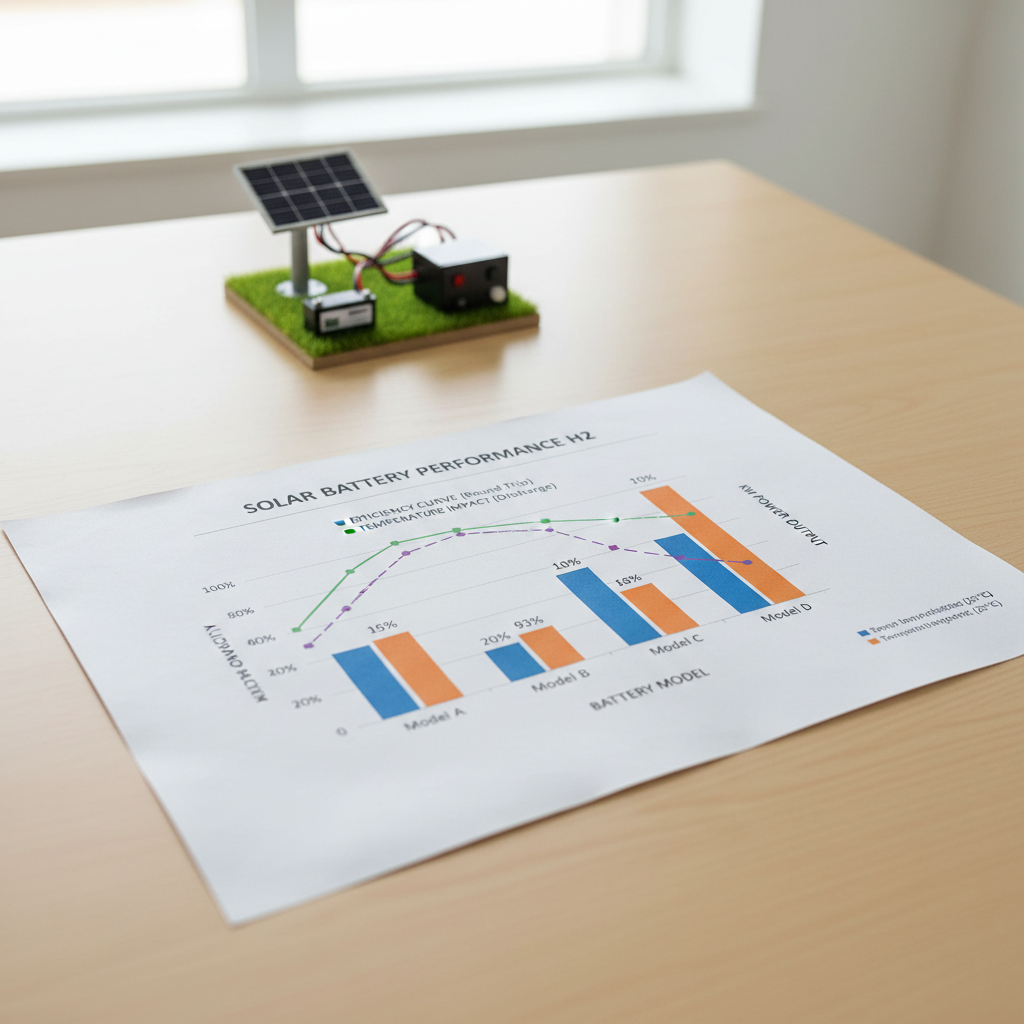
Your solar battery is not an isolated box; it is an intelligent gateway that actively manages the relationship between your home, your solar panels, and the public utility grid. This interaction is key to maximizing savings and ensuring power reliability.
Grid-Tied Operations
In normal operation, your battery synchronizes with the grid frequency, importing power when rates are low and exporting or self-consuming when rates are high. This dynamic exchange allows you to avoid peak pricing while keeping your battery topped up for emergencies. It gets better. Modern systems can predict weather patterns and rate changes, automatically adjusting their behavior to save you the most money possible.
Islanding and Off-Grid Capability
When the grid goes down, standard solar inverters shut off to protect utility workers, but a battery with “islanding” capability physically disconnects from the grid to form a micro-grid. This allows your home to stay powered by your commercial and industrial ESS applications even during a blackout.
- Self-Consumption: Prioritizes solar use over grid power.
- Time-of-Use: Shifts usage to off-peak hours.
- Backup Mode: Reserves capacity for outages.
- Grid Support: Stabilizes voltage in some markets.
Key Takeaway: Smart grid interaction turns your battery from a passive backup bucket into an active financial asset.
| Mode | Grid Connection | Primary Goal | |
|---|---|---|---|
| Self-Consumption | Connected | Minimize Grid Import | |
| TOU Arbitrage | Connected | Reduce Electricity Bill | |
| Backup Power | Disconnected (Islanded) | Security During Outage | |
| Grid Services | Connected | Support Utility Grid |
Seamless management of these modes ensures you never notice when the grid fails or when rates change.
6. What Happens When the Solar Battery Is Full?
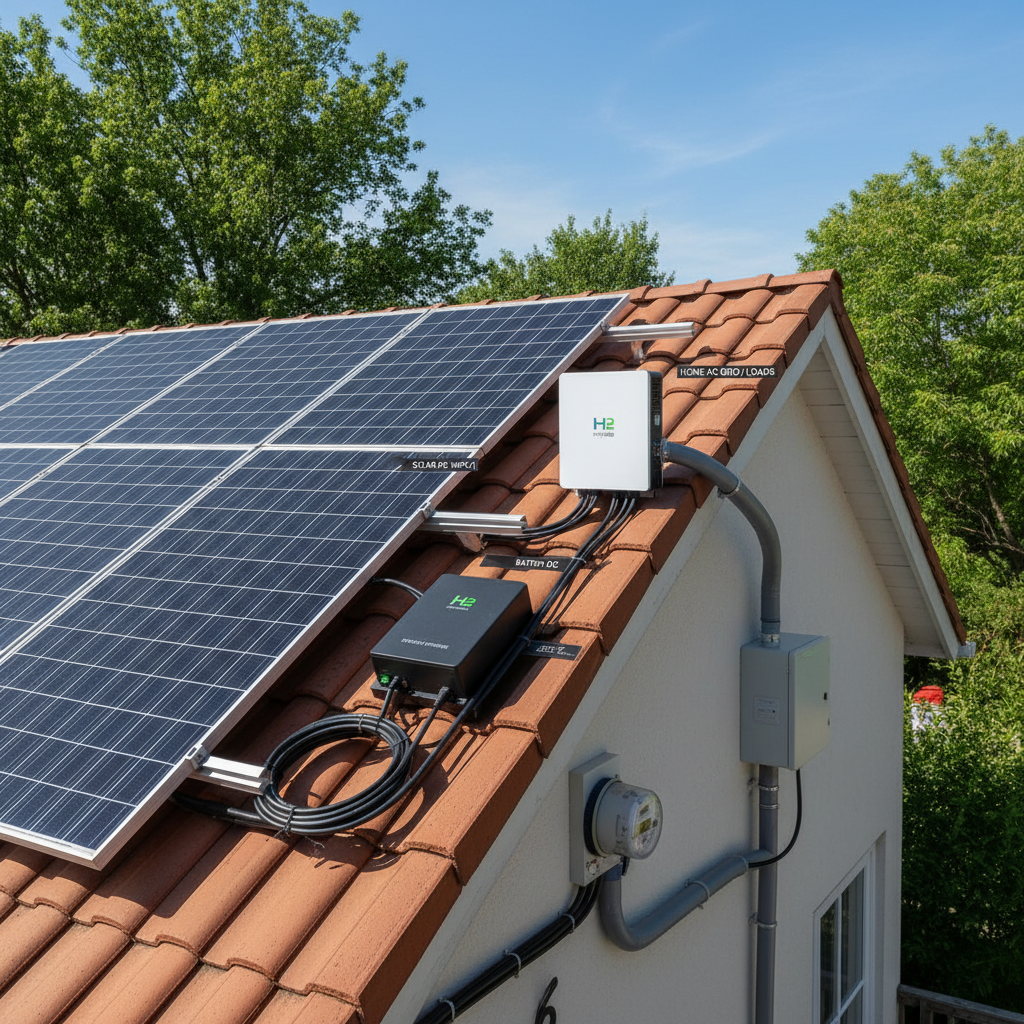
Once your battery reaches 100% capacity and your home loads are met, the system must decide what to do with the excess solar energy being generated. This decision process is automated to ensure safety and economic efficiency.
Exporting to the Grid (Net Metering)
If your utility offers Net Metering, the excess energy is sent back through your meter to the grid, spinning it backward and generating credits on your bill. This essentially uses the grid as a massive, free battery for your surplus summer production.
Curtailment
In scenarios where the grid is down or net metering is not available, the system must “curtail” or throttle the solar inverters. You might be surprised to learn. Your solar panels will actually stop producing power, or reduce output to match exactly what your house is using, to prevent overcharging the battery.
- Export: Send to grid for credit.
- Self-Consume: Power additional appliances (e.g., water heater).
- Throttle: Reduce PV inverter output.
- Shutoff: Disconnect PV array temporarily.
Key Takeaway: Efficient sizing prevents wasted energy potential, but smart inverters handle the overflow safely when it occurs.
| Battery Status | Solar Production | Grid Connection | System Action | |
|---|---|---|---|---|
| Full | High | On | Export to Grid | |
| Full | High | Off (Outage) | Curtail Solar (Stop Production) | |
| Not Full | High | On | Charge Battery |
Understanding this behavior helps you size your solar array to minimize wasted “curtailed” energy.
7. How Does Depth of Discharge Affect Performance?
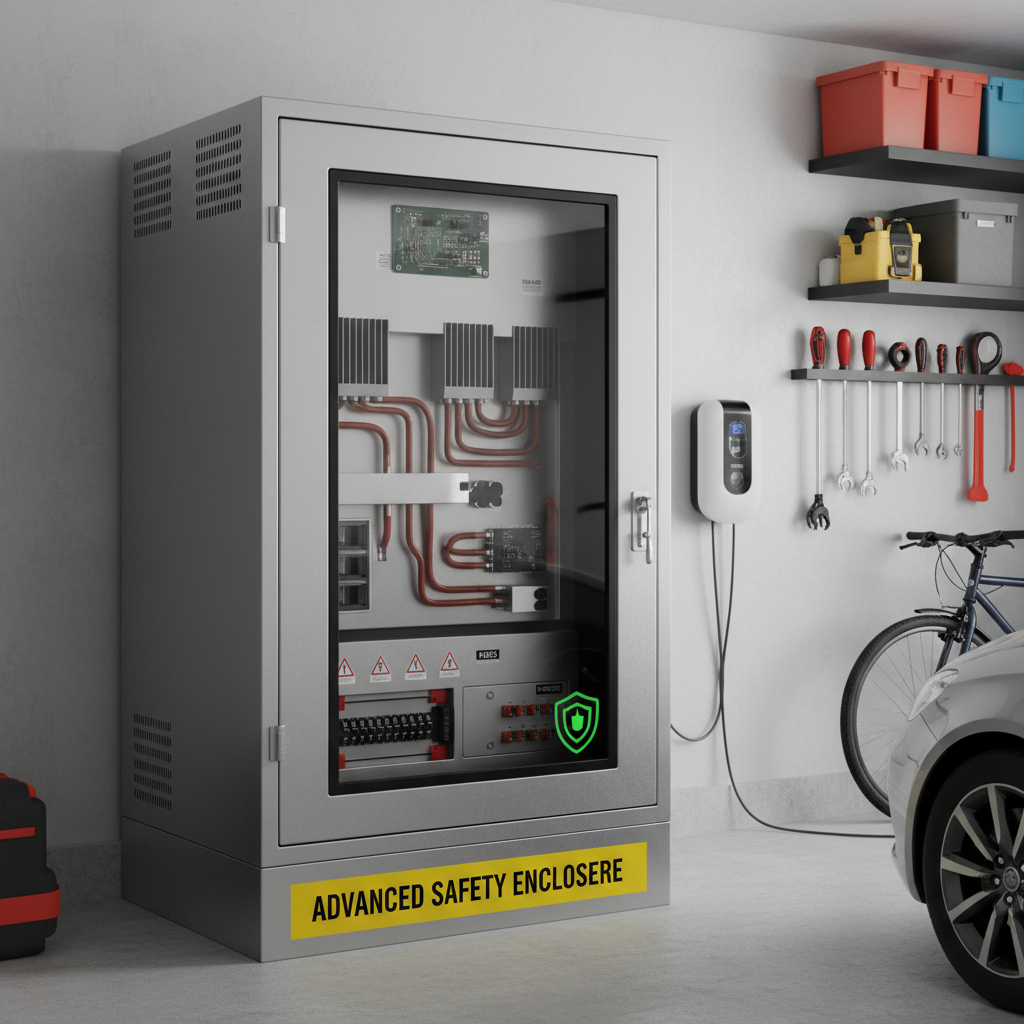
Depth of Discharge (DoD) refers to the percentage of the battery’s capacity that has been used relative to its total size. It is a critical metric because draining a battery completely to 0% can cause irreversible chemical damage.
Understanding DoD
Most modern batteries have a recommended maximum DoD, often around 80% to 90% for lithium systems, to preserve the cathode structure. Think about it this way: if you run a marathon every single day, your body wears out faster than if you jog a moderate distance; batteries are exactly the same.
Usable vs. Total Capacity
This is why manufacturers list both “total capacity” and “usable capacity” on their spec sheets. A Battery Management System (BMS) will artificially show 0% on your app when there is actually still 10% chemical energy left, serving as a safety buffer to protect your investment.
- Lead-Acid DoD: Typically max 50%.
- Lithium DoD: Typically 90-95%.
- Cycle Life Impact: Deeper discharge = fewer total cycles.
- Warranty Void: Exceeding limits often voids protection.
Key Takeaway: adhering to recommended DoD limits is the single most effective way to extend the operational life of your battery system.
| Battery Type | Recommended Max DoD | Usable Capacity (10kWh Total) | |
|---|---|---|---|
| Lead-Acid | 50% | 5 kWh | |
| NMC Lithium | 80% – 90% | 8 – 9 kWh | |
| LFP Lithium | 90% – 100% | 9 – 10 kWh | |
| Flow Battery | 100% | 10 kWh |
High DoD capabilities in modern LFP batteries mean you can buy a smaller, cheaper physical battery to do the same job.
8. How Do Smart Management Systems Optimize Power?
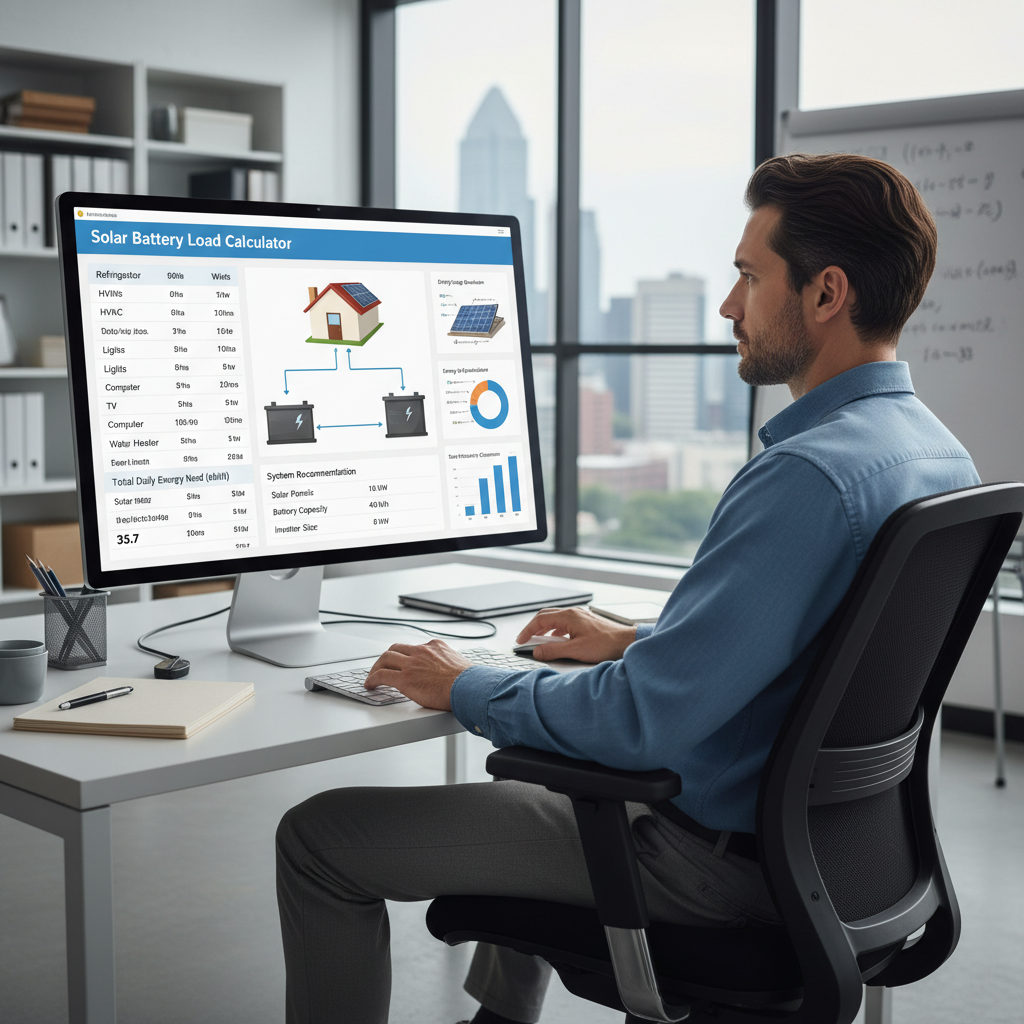
Hardware is only half the equation; the software and Battery Management System (BMS) are the brains that make solar storage viable. These systems monitor cell health, temperature, and voltage thousands of times per second.
The Brain of the System
The BMS is responsible for “cell balancing,” ensuring that every individual cell in the battery pack charges and discharges at the same rate. Without this, one weak cell could drag down the entire system or cause dangerous overheating. Here is the kicker: a good BMS can extend the usable life of a battery pack by years simply by managing these internal micro-stresses.
User Monitoring and Control
Modern storage solutions come with mobile apps that allow you to view real-time energy flows and change operating modes instantly. You can manually set your system to charge from the grid before a storm or integrate with EV charger systems to prioritize your car.
- Cell Balancing: Equalizes voltage.
- Thermal Management: Controls cooling fans/liquid.
- Safety Cutoffs: Prevents over-current/voltage.
- Data Logging: Tracks historical performance.
Key Takeaway: The BMS is the unsung hero that protects your home from fire risks while optimizing the battery’s financial performance.
| Function | Description | Benefit | |
|---|---|---|---|
| Cell Balancing | Equalizes voltage across cells | Extends battery life | |
| Temp Monitoring | Tracks thermal conditions | Prevents fire/damage | |
| SOC Calculation | Estimates remaining energy | Accurate user data |
Advanced software turns a box of chemicals into a smart home appliance that practically manages itself.
9. Can Solar Batteries Save Money on Electricity Bills?
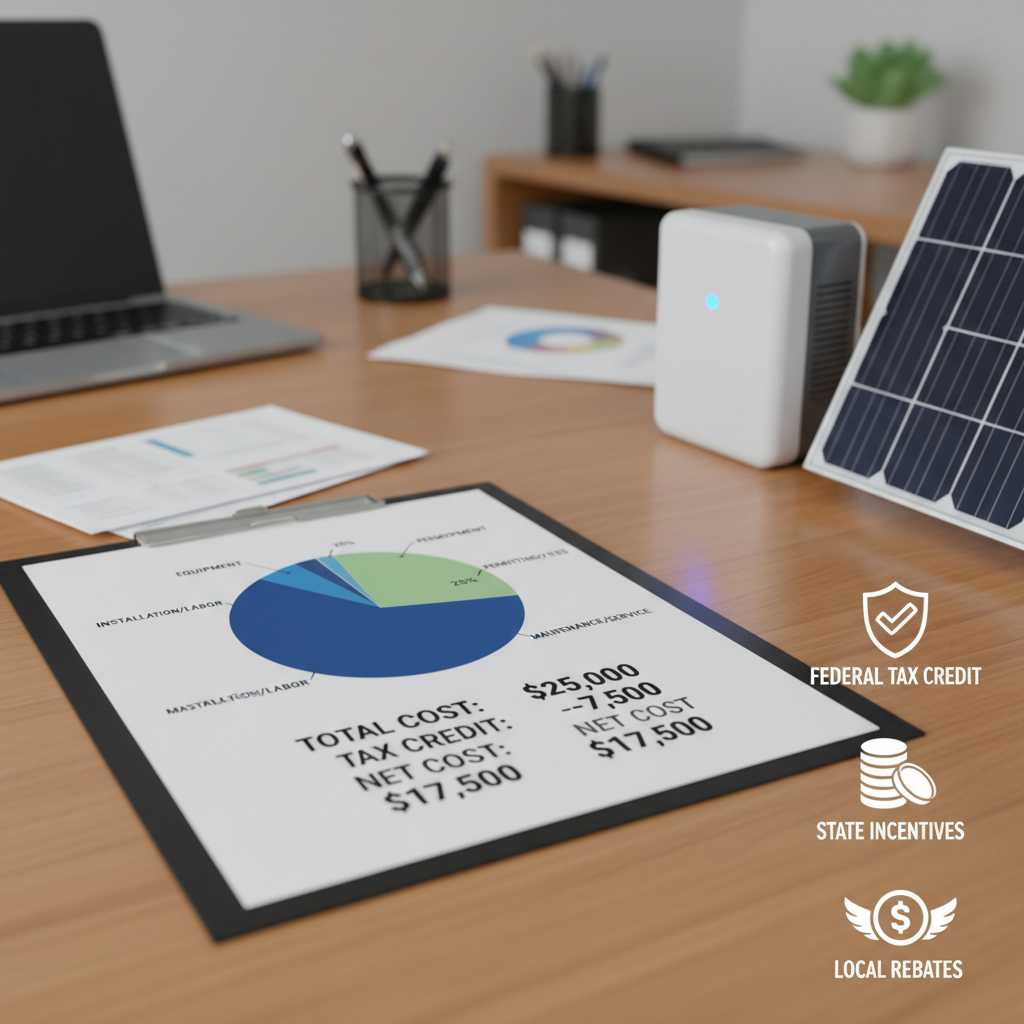
While backup power is a primary motivator, the financial return on investment for batteries is increasingly driven by smart utility rate management. By strategically timing when you buy and use power, batteries can significantly lower your monthly expenses.
Time-of-Use (TOU) Arbitrage
Many utilities charge double or triple the standard rate for electricity during evening “peak” hours. A solar battery allows you to charge with free solar power during the day and discharge that cheap energy during the expensive evening peak. This is critical. You effectively avoid paying the utility’s highest rates without changing your daily habits.
Peak Shaving for Businesses
For commercial entities, “demand charges” based on the highest 15-minute spike in usage can make up 50% of the bill. Batteries shave these peaks by injecting power instantly when heavy machinery starts up, keeping the drawn demand low.
- Arbitrage: Buy low (or free), use high.
- Self-Consumption: Reduce total grid purchase.
- Demand Response: Get paid to use battery by utility.
- Tax Incentives: Credits for installing storage.
Key Takeaway: Financial ROI is often driven by intelligent rate structures and peak shaving rather than just simple backup needs.
| Strategy | Mechanism | Target User | |
|---|---|---|---|
| TOU Arbitrage | Avoid peak pricing | Residential | |
| Peak Shaving | Lower demand spikes | Commercial | |
| Net Metering | Export excess solar | All Users | |
| VPP Participation | Utility pays for access | Advanced Users |
Smart economic deployment of your battery can reduce the payback period of your solar system by several years.
10. What Is the Expected Lifespan and Maintenance?
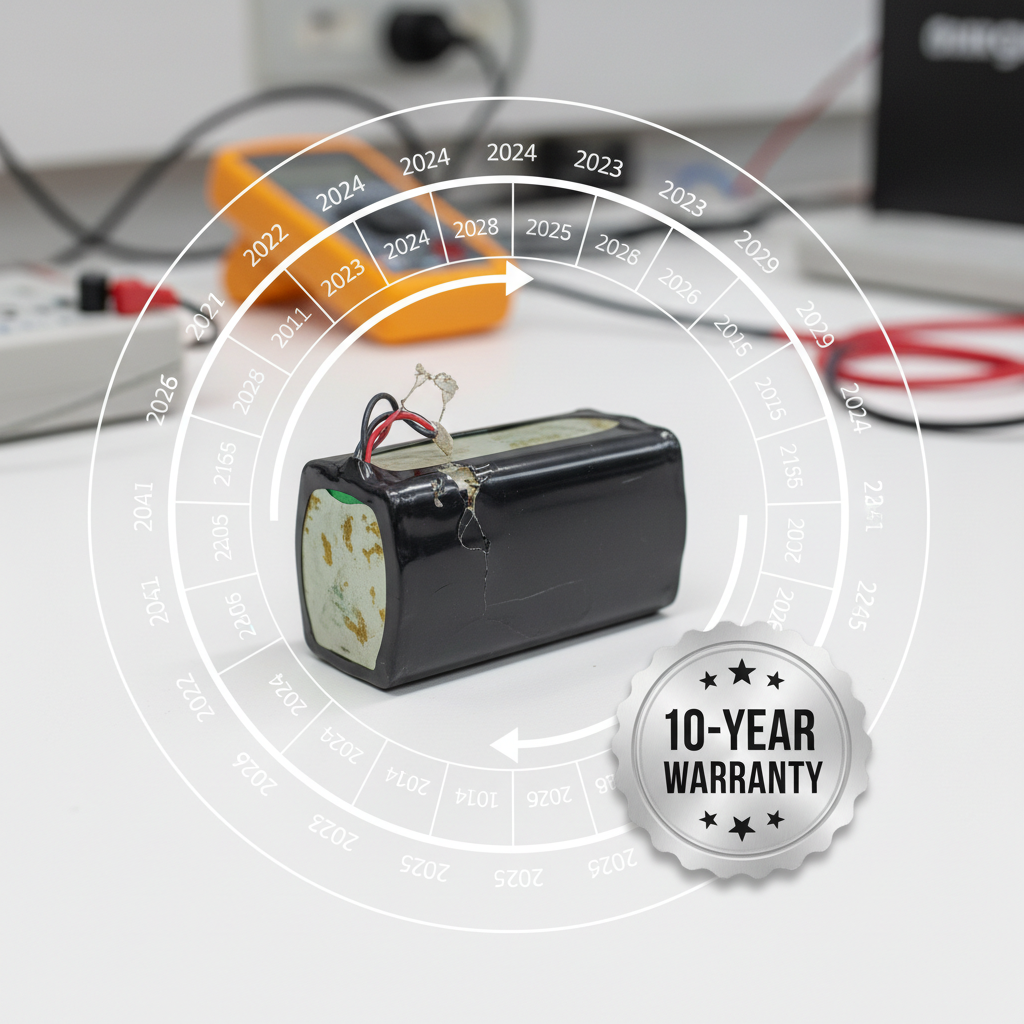
Investing in solar storage is a long-term commitment, so understanding the expected operational life and care requirements is essential. Fortunately, modern lithium systems are designed to be largely “install and forget.”
Longevity Factors
Heat is the enemy of batteries; installing your unit in a cool, shaded area or a temperature-controlled garage will significantly extend its life. Cycle frequency also matters, though LFP batteries are robust enough to handle daily cycling for over 15 years. Do not ignore this: failing to provide adequate ventilation or allowing the battery to sit empty for months can degrade the chemistry prematurely.
Maintenance Requirements
Unlike old lead-acid batteries that required distilled water refills and terminal cleaning, modern lithium batteries are sealed and maintenance-free. However, occasional firmware updates and visual inspections are recommended, and you can always contact our technical team for support.
- Keep Cool: Avoid direct sunlight.
- Update Firmware: Ensure BMS logic is current.
- Monitor App: Watch for error alerts.
- Inspect Physically: Check for debris or cable wear.
Key Takeaway: With proper installation location and minimal monitoring, a solar battery will reliably outlast the appliances it powers.
| Factor | Impact on Lifespan | Best Practice | |
|---|---|---|---|
| High Temperature | Reduces capacity faster | Install in cool/shaded area | |
| Deep Cycling | Wears out cathode | Follow recommended DoD | |
| Storage State | Degradation if empty | Store at partial charge |
A well-maintained battery system is a durable asset that provides security and savings for decades.
Conclusion
Solar batteries transform a passive solar array into an active, intelligent energy asset. They provide security during outages and financial leverage against rising utility rates. Understanding the chemistry and coupling options ensures you select the right system for your specific energy profile. Whether for residential backup or industrial peak shaving, upgrading your storage capacity is the next step in energy evolution.
Contact us today to find the perfect battery solution for your home.
FAQ
Q1. What is a solar battery?
A solar battery is a device that stores energy generated by solar panels, usually in chemical form, for later use during the night or power outages.
Q2. Can I run my entire business or home on a solar battery?
Yes, but it requires accurate sizing. You need enough capacity to cover your peak load and sufficient solar panels to recharge the bank fully each day.
Q3. How long do solar batteries last?
Modern Lithium-Iron Phosphate (LFP) batteries typically last between 10 to 15 years, often exceeding 6,000 charge cycles before significant capacity degradation occurs.
Q4. Do solar batteries work during a power outage?
Yes, provided they are equipped with “island mode” technology. This isolates your system from the grid to safely power critical loads while the grid is down.
Q5. What is the difference between kW and kWh?
kW (Kilowatts) measures the instantaneous power output (how fast it releases energy), while kWh (Kilowatt-hours) measures the total storage capacity (how much energy it holds).